
1. Mobilizing People: Peter Pham, Twitter, Nextdoor App
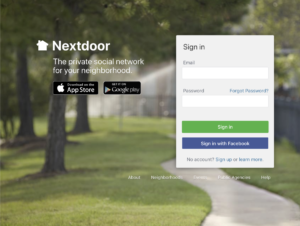
-Peter Pham is the co-founder of Santa Monica based incubator Science. When he was in San Francisco at the time, raising money for startups he heard about a hate crime that was committed in Manhattan Beach, California. He used Twitter and Nextdoor neighborhood websites to broadcast his idea and feelings to the locals of that particular area. From this, he had a vigil for the victim with 500 people present and raised $27,000 dollars to find the one responsible for the hate crime. This shows that by using a platform that is well known and commonly used, information or opinions can be broadcasted to others. This shows the strategy of mobilizing people because there was a problem, and I’m sure many felt it was wrong but weren’t sure what to do. A person who either one knew technology better, or perhaps had a different perspective in order to come up with the solution was able to pull on the common characteristics, and emotions of the people around him to be able to mobilize them. One project that could be done with this is having an app that connects the victims or the families fo the victims of hate crimes and allows them to grieve with one another, this will also give them connections to mobilize to fight against hate crimes. This app could also have a place to donate money for the funerals or other expenses because of the hate crime. Not only could it help spark a movement but it could provide support for those who have lost loved ones.

2. DIY
-Youtube is an incredible site that allows people to do tutorials on everything from makeup to fixing cars. However, with some videos, it’s difficult to tell if someone is actually skilled and knowledgeable about what they’re doing. There could be a large amount of false information being move around that could endanger people, especially when it comes to working on cars or even simple hacks in life. A good project for this is to create an app or a site that does background checks on the people that do tutorials and make sure that the information that is being provided is legitimate.

3. Share What Was Inaccessible
-An example of sharing information that may have not been accessible in the media, they find stories and report on them. Many of which people don’t have access to, or first-hand experience/knowledge of such as wars across the world, or events that aren’t in our usual vision of the mind. However, the media in today’s society has become so biased on both sides of the aisle that it’s hard, to tell the truth from the lies or exaggerations. To solve this problem, a new type of new network, or perhaps an older traditional one could be formed. The reason I say older and traditional is that many years ago, the news told the facts, just the facts and let the American people decide from there, that’s no longer the case. In order to make sure neither side got complete control over the network, there would be people from both sides of the aisle reporting, or perhaps bias itself is against the rules in this particular organization. Both sides would check and balance one another, but the truth would be presented to the American people, who would decide what they want from the given information.


You must be logged in to post a comment.