EXERCISE 1: WHICH IS THE NEW MEDIA SOLUTION?
PROBLEM: A DISAPPEARING LANGUAGE
SOLUTION A
SOLUTION B
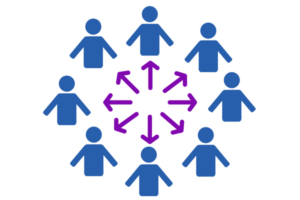
Solution B is a better New Media strategy because it involves more of the community. Using technology to reach a broader audience is more effective in this case because it is engaging a many-to-many ideal. By engaging the community with recent technology, you are allowing different people with different grandparents who come from different backgrounds to tell unique stories that only they might have. This is an effective way of sharing a language through communication and storytelling. Each story also has more purpose and meaning, as opposed to a dictionary. Telling these stories can also reinforce the relationships between grandparents and their grandchildren. It helps to inspire culture and creating a network of the Passamaquoddy community. Solution A is not as good of an option because it is a one-to-many design. It focuses on one group’s perspective, creating something that others can use, as opposed to a lot of different people contributing to one thing.
______________________________
PROBLEM: NEGLECTED RUINS
SOLUTION A
SOLUTION B
Solution B is a better many-to-many design. It creates a platform that lots of different people can contribute to and become involved with. Instead of creating something and bringing it to the community (like Solution A), this design takes something that already exists, and has the community come to it. Solution B does a better job involving the community which helps create different perspectives about the places they visit. It gets its users more engaged and willing to explore the environment (this example could be connected to the Pokemon Go app). This is a cool and creative way of using technology to harness the story of abandoned buildings by bringing new light to them.
______________________________
PROBLEM: MISUNDERSTANDING COMPUTER ANIMATION
SOLUTION A
SOLUTION B
For this example, if you are looking to learn more about how to recreate an animation like the one that is being displayed, I would say Solution B is the better option. But if you are looking to get a better feel for the process it takes and understanding the different layers you have to create to make a final piece, I would say Solution A is a better option. Using New Media skills, creating a hands-on learning experience is very important when it comes to creating things, especially art. I find that the best way to learn something is by doing it, not so much by reading about how to do it. Creating this interactive canvas will better engage the community and make them more curious about how it was created, and what you have to do to get there (that’s when Solution B could come into play). So, maybe Solution A could be first, then if they are still interested and would like to know how to recreate it or make something like it, that’s when Solution B could be offered. For this situation, Solution A is the better many-to-many example because it reaches a more general, broader audience, meaning anyone could do it whether they want to make animations or not, it is still entertaining. Opposed to Solution B which is specifically designed for artists and animators.
______________________________
PROBLEM: A BROKEN FOUNTAIN
SOLUTION A
SOLUTION B
Although Solution A uses less ‘new media’ technology, it is still the better many-to-many design. By creating a system that engages the community, it has a purpose and meaning in its environment. Opposed to creating digital art that no one can touch, feel, or hardly see in broad daylight, a garden is targeted for a larger audience providing nutrients and food that can benefit the community as a whole, not just the viewer who is looking at it. This design is a good example of many to many because it takes different people to tend the garden, harvest it, and eat its nutrients. I would love to see this take place in the Union where that rock staircase is, I think it would add a better vibe to the space and also promote cleaner air.. Bummer it didn’t go through.
______________________________
EXERCISE 2: INVENT YOUR OWN MANY-TO-MANY SOLUTIONS
VISUAL ART IS TOO STATIC
How can you create a mural that responds to individual viewers?
Playing off the idea of seeing different layers in an interactive animation, from the “Misunderstanding Computer Animation” example, one way you could make art more interactive is by making it change colors. Without being able to control the colors with buttons, you control it with your feelings. Nearly everyone is able to feel and have emotions, so why not bring that to art? With this concept, you bring art to the people. Even though they might not know it yet, everyone who walks in the room is an artist. They are introduced to a white room with four blank walls with a large blank digital canvas in the middle. The board’s material is that similar to a smartboard. You are given an average-sized brush, and select a brush size based on the amount of pressure you apply to the board, but aren’t able to control the colors. The colors you get are represented in the emotions you feel. If you have a faster heart rate, from nervousness or anxiety, you will get the color red. This color is then emitted on the once blank walls around you. As you progress and continue to paint/draw, you can start to see a change in colors, the calmer you are, the lighter and more variety of colors you will get. Your heart rate is captured through the artificial digital brush you are holding, which tracks the pulse and the temperature of your hand through your fingers and palms, as well as a heart rate monitor you hear to get a better, more accurate read to better represent the colors. Everyone else in the room is also wearing a heart rate monitor which can be reflected in the colors of the walls, the closer you get to the wall, the brighter the color gets and the more of the wall space it takes up. From the perspective of the artist, the one with the brush, you get to see a variety of different colors and emotions as you work which could either help or hurt your confidence depending on the vibe of the room. This is a many-to-many design because it includes a little bit from everyone to fill the room with colors.
You must be logged in to post a comment.