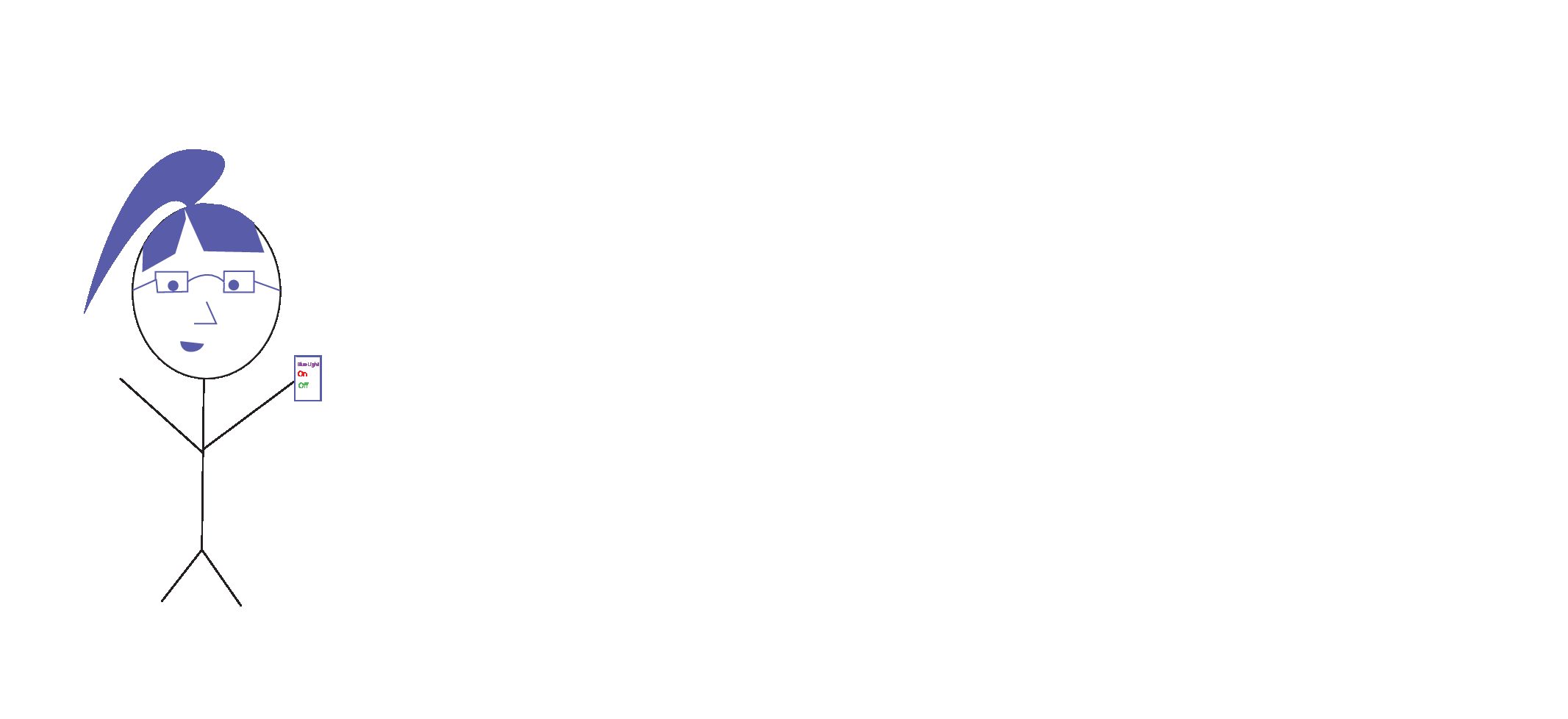
One of the problems caused by tech that jumped out at me as I read these articles was the effect of blue light on people’s sleeping patterns. This is a huge problem because if people aren’t getting enough sleep, they’re opening themselves up to many more health problems, and young adults and teenagers especially should be mindful of this design flaw in our technology as this age group is the one that needs the most sleep and typically aren’t getting it (not just because of technology but also other factors as well). Lack of sleep can lead to a weakened immune system, change in body weight, fatigue, increased risks for cardiovascular disease, changes in hormone production, etc. It can even change moods making people more irritable and often makes them so that they lack focus. With all these issues due to lack of sleep, it’s hard to imagine why we continue to create products that utilize “blue light” since we don’t have many ways to combat this issue yet.
Fortunately, though we don’t have a plethora of solutions to this issue, there have been a few improvements to some forms of technology that have sprung up to try and fix some of the harms of blue light on the sleep cycle. Many smartphones and even some other devices provide a “night shift mode” that makes the device’s screen appear more orange to help lessen the effects of the harsh blue light. There are also special “blue light glasses” that almost anyone can purchase, even if they don’t have a prescription, or some eyewear providers actually offer to include blue light “protection” on prescription glasses for an additional fee. I’m actually a huge fan of the blue light glasses that I have. These are also my prescription glasses, but it’s nice that they kill two birds with one stone, and I didn’t have to pay that much extra for the blue light “protection,” I also have a few friends who don’t have prescription glasses but do own blue light glasses and they also love them. I actually do think that they make a difference, I find when I’m staring at a computer screen without my glasses, and I try to go to sleep immediately afterward, I have a tough time falling asleep, but when I’m using my glasses, it’s so much easier to fall right to sleep even if I’m using my devices. If I were to think of a new solution to the problem of blue light, I would say find a way to light up the screens of our devices without using the harsh blue light, or at least not using as much of it. But personally, if this isn’t feasible, I think the best option would be to make the idea of blue light glasses more widespread, easier to purchase and inform more people about their benefits.
If I were to try and think of a way to reverse this issue completely and find a way to foster better sleep through technology I’d probably focus on creating an app or tool on different devices that would gradually turn down the blue light on a person’s device the later in the day it got. I think that this would help a lot of people who might forget to turn on night shift mode and it would be gradual so someone might not even notice that their screen looks different. I might also try to find a way through this app that would allow someone to set personalized notifications to remind a person to get some rest at a certain time if they’re on their devices so that it’s not as easy to mindlessly scroll all night.
You must be logged in to post a comment.