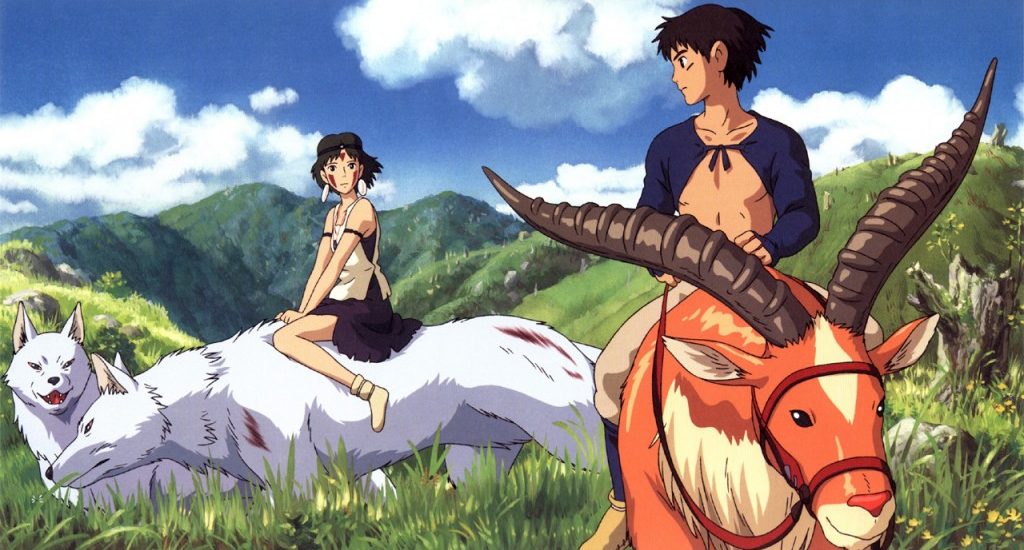
As listed in the Princess Mononoke Analysis, there are many different themes presented and tackled throughout the whole movie. These complex issues, additionally, also weave within one another to resemble the intricacy of real life. In this post, I would like to discuss and share my thoughts about two of the themes that I thought go hand-in-hand: helplessness and suffering.
Helpless from the Beginning
“Can we only sit and wait?”
During the first fifteen minutes of the movie, we are already introduced to many characters who are rendered helpless. Nago, the boar “demon god,” falls helpless to the curse of torment and vengeance; our protagonist Ashitaka later finds himself knocking at death’s door with no way to return; the tribe’s men can “only sit and wait” for Ashitaka to depart on his journey, etc. No matter who or what it comes across, helplessness penetrates through and in turn, brings about suffering.
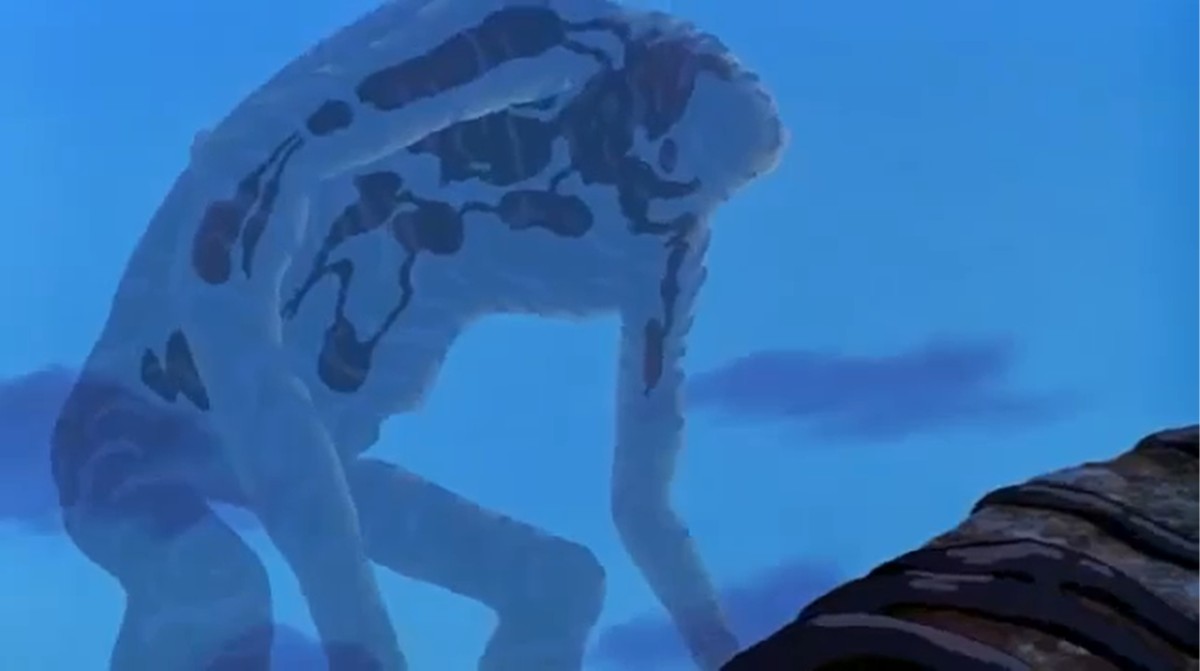
Just as Nago suffers agony from the curse that feeds on his hatred for humans, Ashitaka suffers tremendous pain from Nago’s fatal curse. As we can see later in the movie, even the Deer God, the life and death itself, experiences helplessness. Without his head, the Deer God’s body grows helpless and recklessly searches for what is stolen. His helplessness does not only eventually lead to his demise but also damages nature and humans alike in the process.
Helplessness and Its Many Forms
“Life is suffering. It is hard.”
While rewatching Princess Mononoke, I noted that there are different types of helplessness, either from the way it is brought up or the suffering that it causes. During their conversation after Ashitaka wakes up, Moro states that “there’s nothing you [Ashitaka] can do,” suggesting that Ashitaka should either face or admit his helplessness against his creeping death. There are also situations where characters are seen overcoming their helplessness. For example, the boars still charge on even if “they know that it’s a trap,” or the women fighting against Asano’s army when the ironworks is under attack. In both cases, the follow-up suffering involves the deaths of many and traumas for the ones who survive.
Most of the time, helplessness is seen along with the physical consequences for oneself. However, there are also times where helplessness is instilled or invoked by external forces. One example is when Lady Eboshi and Jiko’s men use smoke to blunt the animals’ sense of smell and blind Okkoto. By doing this, they are essentially inducing helplessness into the boars with physical damages. We, as an audience, also get to experience helplessness watching Ashitaka shouting out San’s name as she sinks further into the forming curse.

Helplessness and What It Teaches
“The world is cursed, people are cursed, but we still wish to live.”
So, in the end, what lesson does helplessness bring? For me, it teaches that helplessness can be anywhere and affect anyone, that it doesn’t care if one is good or evil. It teaches that along with helplessness comes suffering, physically or mentally. However, what resolution you decide to make changes how the end would play out. Ashitaka is determined to overcome his helplessness while Nago gives in to the suffering. The women at the ironworks accept their weaknesses while the army forces helplessness onto others. Depending on where you stand, the outcome may just be the cure you need.

You must be logged in to post a comment.