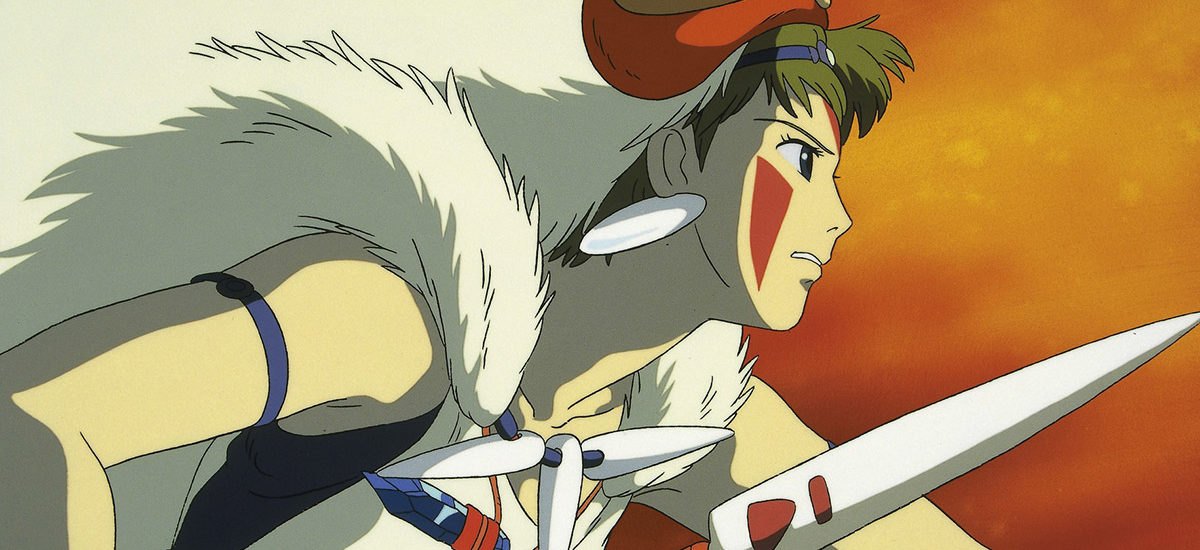
Review what a Premise is and what makes a good Premise in Anatomy of Story.
- Define Premise, using your own words
- Given an example of a premise from a popular movie or story that we might all know. This can be from an anime story or a different kind of story.
- Craft a premise for a story you’d like to create this semester. To do this, answer the following (you may want to copy this list into your post and then answer each point.
- Premise:
Write down your premise in one sentence.Ask yourself if this premise line has the makings of a story that could change your life. - Possibilities:
Look for what is possible in the premise. Write down options. - Story Challenges and Problems:
Describe as many of the story challenges and problems that are unique to your idea as you can think of. - Designing Principle:
Come up with the designing principle of your story idea. Remember that this principle describes some deeper process or form in which the story will play out in a unique way. - Best Character:
Determine the best character in the idea. Make that character the hero of your premise. - Conflict:
Ask yourself “Who is my hero fighting, and what is he fighting about?” - Basic Action:
Find the single cause-and-effect pathway by identifying a basic action that your hero will take in the story. - Character Change:
Figure out the possible character change for your hero, starting with the basic action ( A ) and then going to the opposites of the basic action to determine his weaknesses ( W ) at the beginning and his change ( C ) at the end. - Moral Choice:
List a moral choice your hero may have to make near the end of the story. Make sure it’s a difficult but plausible choice.From Truby, John. The Anatomy of Story: 22 Steps to Becoming a Master Storyteller (p. 35). Faber & Faber. Kindle Edition.
- Premise:

You must be logged in to post a comment.